
Latest Articles
- Managing a Company Through the Philosophy of the Human Body: Synergy and Organic Functions in the Custom Rubber Workshop Industry

- Product Certification or Quality Evidence with Client and Third-Party Witness Testing: Which Takes Precedence for a Custom Rubber Spare Part Workshop?

- National Rubber Resilience and Material Innovation: The Heart of Modern Custom Rubber Component Reliability

- Happy Independence Day, Republic of Indonesia!
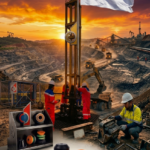
- Quality Gap Control: Precision Strategies and Risk Management in Customized Rubber Spare Part Manufacturing
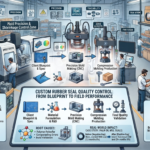
Understanding Carbon Capture and Storage (CCS): Process, Injection into the Earth, and the Role of Rubber Components
Carbon Capture and Storage (CCS) technology has emerged as a crucial tool in the fight against climate change by capturing carbon dioxide emissions from industrial processes and storing them underground. This innovative approach involves several steps that are essential to ensure the safe and effective storage of captured carbon in geological formations deep beneath the earth’s surface. Among the key components required for the success of CCS, rubber parts play a critical role in sealing, preventing leaks, and maintaining the integrity of the storage sites.
The CCS process typically begins with capturing carbon dioxide emissions from industrial sources such as power plants, cement factories, and steel mills. Once captured, the CO2 is transported via pipelines or other means to suitable geological formations for storage. These formations, often deep underground, provide secure reservoirs where the carbon dioxide can be stored for long periods, preventing its release into the atmosphere and mitigating climate change.

In the injection phase of the CCS process, rubber components play a vital role in ensuring the integrity of the storage sites and preventing leaks of captured carbon dioxide. Rubber seals, gaskets, and other components are used to create a secure barrier between the storage reservoir and the surrounding rock formations. These rubber parts are specially designed to withstand high pressures, extreme temperatures, and corrosive environments, ensuring that the stored carbon dioxide remains contained safely underground.
One critical rubber component used in the CCS process is the wellbore seal, which is essential for sealing the injection wells through which the captured carbon dioxide is injected into the storage reservoir. The wellbore seal prevents leaks and ensures that the injected CO2 remains confined within the designated storage site. By effectively sealing the wellbores, rubber components contribute to the overall security and stability of the underground storage facilities, minimizing the risk of CO2 leakage and maintaining the integrity of the storage sites.
Rubber parts are also integral in other aspects of the CCS process, such as monitoring and maintenance activities. Flexible rubber hoses and connectors are utilized in the transportation of captured carbon dioxide from the capture site to the storage facility. These rubber components enable the safe and efficient transfer of CO2 while minimizing the risk of leaks or ruptures along the transportation route. Additionally, rubber seals and gaskets are employed in monitoring equipment and wellhead systems to ensure accurate measurement of storage site conditions and detect any potential leaks or anomalies.
The resilience, durability, and chemical resistance of rubber components make them well-suited for the demanding conditions of CCS operations. Rubber materials are chosen for their ability to withstand high pressures, temperature variations, and exposure to CO2 and other corrosive substances commonly encountered in underground storage environments. The selection of high-quality rubber parts is crucial to the success of CCS projects, as any failure or degradation of these components could compromise the safety and effectiveness of CO2 storage operations.
Carbon Capture and Storage technology represents a promising solution for reducing carbon emissions and combating climate change by securely storing captured CO2 underground. Rubber components play a critical role in ensuring the success and safety of CCS operations by providing reliable seals, gaskets, and other essential parts for the injection, transportation, and monitoring of captured carbon dioxide. The utilization of high-performance rubber materials in CCS processes demonstrates the importance of advanced engineering solutions in achieving sustainable and effective carbon storage practices. By recognizing the significance of rubber components in CCS operations, industries and stakeholders can enhance the reliability and efficiency of carbon capture and storage initiatives, contributing to a greener and more sustainable future for generations to come.