We have been committed to providing our customers with innovative and quality business solutions. In our endeavors, we have managed to build a strong and trusted reputation in the industry.
With more than 15 years of experience, we are able to provide professional and efficient services to our customers. We pride ourselves in offering a wide range of products and services that are specifically designed to meet the needs and expectations of our customers.
With the dedication and passion of our team, we are ready to continue to grow and adapt to changes that occur in the business world. Here are the businesses we offer based on our experience since 2004.
Rubber
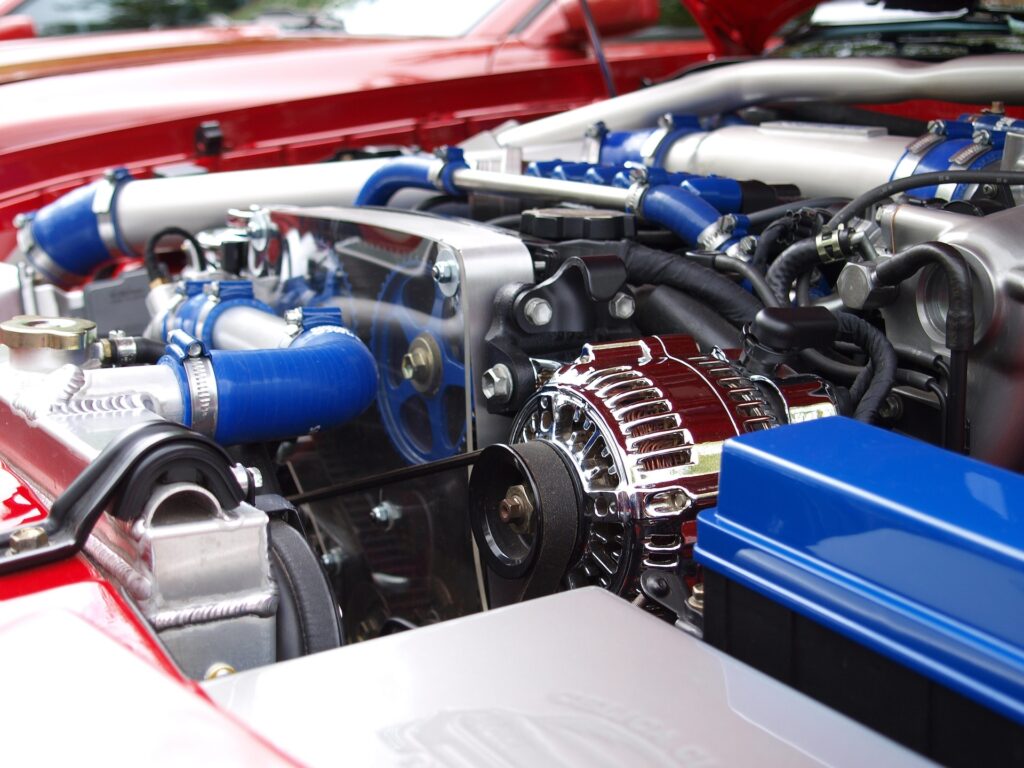
Rubber parts are widely used in various industries due to their elasticity, heat resistance and ability to prevent leakage.
Rubber is used to make seals, straps, hoses, gaskets, vulcanizers, and other products that can be used in oil and gas pipeline installations, drilling equipment, and fuel storage systems.
Plastic
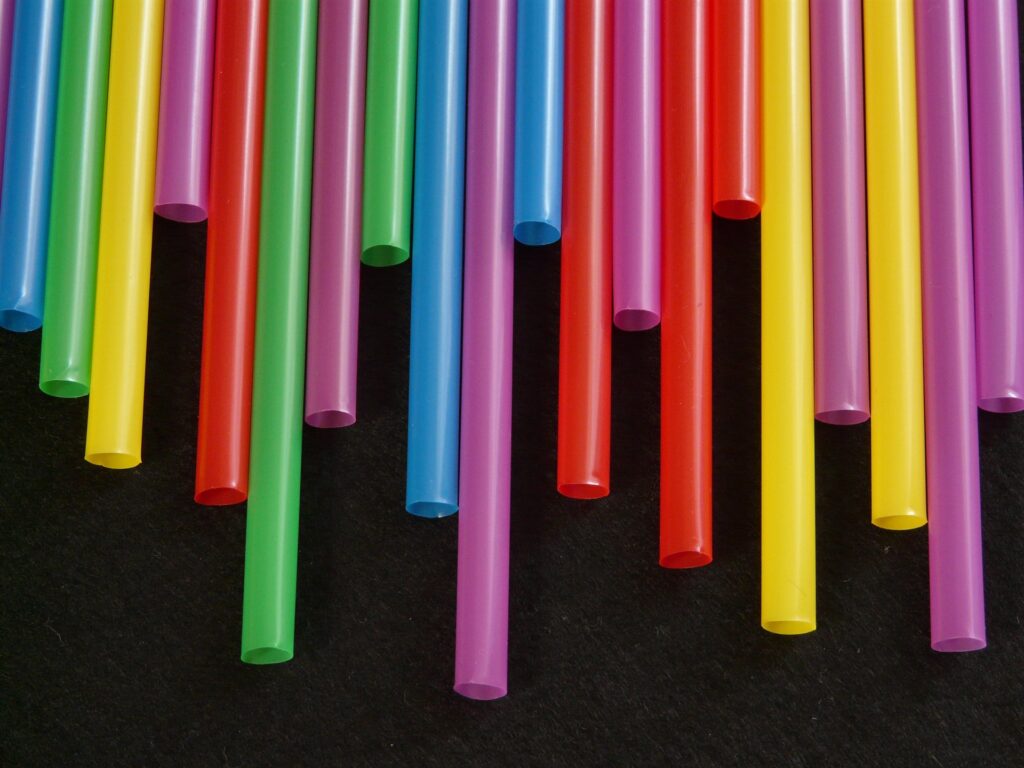
Plastic parts also play an important role in various industries including the oil and gas industry. Corrosion, shock and high temperature resistant plastics are used in a variety of components, such as pipes, fittings, valves, tanks, cable networks and electronic components.
Plastics that are resistant to harsh chemicals and environments are critical to the industry, as they can provide strength, puncture resistance and reliable performance in a wide range of operating conditions.
Molding
Molding is the process of forming a material such as rubber into a desired shape through the use of molds or moulds.
In the downstream rubber industry, molding is used to create various rubber products such as seals, gaskets, o-rings, and other rubber components.
The molding process can be carried out by several methods such as injection molding, compression molding, and transfer molding.
The molding process begins with making a mold or mold according to the desired shape. These molds are usually made of metal with a smooth and neat surface. After that, the liquid rubber material or pre-curette is put into the mold. Heating, pressing and cooling processes are then carried out to shape and condition the rubber into the final product.
The end result of this molding process is a rubber product with dimensions and characteristics that match the desired design.

Engineering Drawing
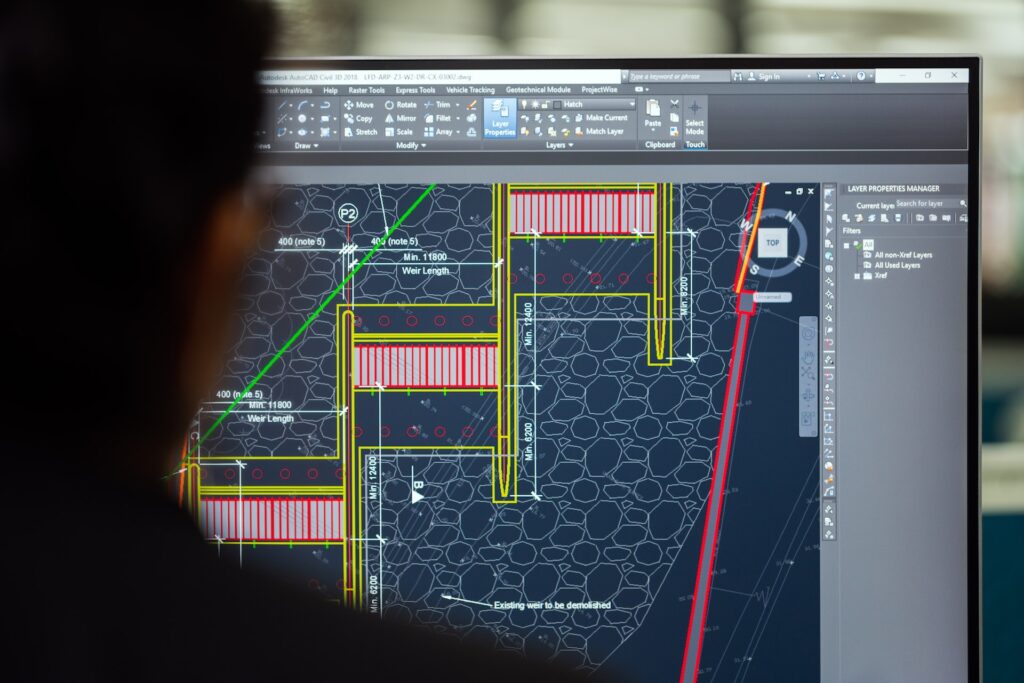
To carry out the molding process with high precision, detailed engineering drawings or technical drawings are required.
Engineering drawings are used to clearly describe the shape, dimensions, tolerances and specifications that must be considered in the manufacture of rubber products.
This drawing includes information such as dimensions, geometric shapes, angles, radii, and physical properties that must be present in the final product. Engineering drawings also provide clear instructions for operators or technicians in carrying out the molding process. This drawing is a guide that can be followed to ensure consistent and quality results.
In addition, engineering drawings also enable effective communication between designers and manufacturers, thereby minimizing errors and speeding up the production process of rubber products in the downstream rubber industry.
Training
The main objective of this training service is to provide the necessary knowledge and skills for participants in order to optimize production, improve product quality, and reduce production costs in the downstream rubber industry.
In addition, the training also aims to increase awareness of sustainability and environmental aspects in the downstream rubber industry, including waste management and efficient energy utilization.
In addition, training services can also play an important socio-economic role by increasing the income of people in the downstream rubber sector and helping to improve their quality of life.
With the knowledge and skills gained from the training, the participants can increase their business productivity, gain access to a wider market, and create jobs for the surrounding community. This training covers the techniques of processing rubber into various rubber products to maintenance and maintenance of industrial equipment and machinery.
The training is carried out by experienced instructors and involves a combination of theory and practice directly for the trainees. Overall, training services in the field of downstream rubber are important to support the development of a sustainable and competitive downstream rubber industry.
With increased knowledge and skills, communities can better utilize the potential that exists in the downstream rubber sector, increase productivity and product quality, and contribute to local economic growth.

Let’s talk
If you are interested in doing business with us, please don’t hesitate to leave us message.