
Latest Articles
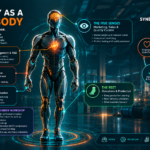
- Managing a Company Through the Philosophy of the Human Body: Synergy and Organic Functions in the Custom Rubber Workshop Industry
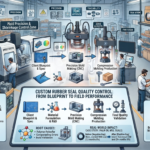
- Product Certification or Quality Evidence with Client and Third-Party Witness Testing: Which Takes Precedence for a Custom Rubber Spare Part Workshop?
- National Rubber Resilience and Material Innovation: The Heart of Modern Custom Rubber Component Reliability

- Happy Independence Day, Republic of Indonesia!
- Quality Gap Control: Precision Strategies and Risk Management in Customized Rubber Spare Part Manufacturing
Roadmap for Indonesia’s Rubber Downstream Industry: Driving Growth Through Carbon Capture, EVs, and Alternative Energy
Introduction
Indonesia, as the world’s second-largest producer of natural rubber, plays a pivotal role in the global rubber supply chain. However, the downstream rubber industry—which transforms raw rubber into high-value finished products—remains underdeveloped, limiting the country’s ability to maximize its economic potential. At the same time, global trends such as carbon capture, electric vehicles (EVs), and alternative energy solutions present new opportunities for the rubber industry to innovate and contribute to sustainable development.

This article provides a comprehensive roadmap for Indonesia’s rubber downstream industry, focusing on overcoming existing challenges while leveraging opportunities in carbon capture, EVs, and alternative energy. By adopting this roadmap, Indonesia can position itself as a global leader in sustainable rubber production and processing.
Challenges Facing Indonesia’s Rubber Downstream Industry
Before outlining the roadmap, it is crucial to understand the key challenges hindering the growth of Indonesia’s rubber downstream sector:
- Limited Value Addition: A significant portion of Indonesia’s rubber exports consists of raw or semi-processed materials, such as crumb rubber and technically specified rubber (TSR), rather than high-value finished products.
- Outdated Technology: Many manufacturers rely on outdated machinery and production techniques, resulting in lower efficiency and product quality.
- Inadequate Infrastructure: Poor transportation and logistics networks increase production costs and delay deliveries to domestic and international markets.
- Limited Access to Financing: Small and medium-sized enterprises (SMEs) struggle to secure funding for modernization and expansion.
- Environmental Concerns: Unsustainable farming practices and deforestation have led to stricter regulations and reduced access to premium markets.
- Global Competition: Indonesia faces intense competition from countries like Thailand, Vietnam, and China, which have more developed downstream industries.
Roadmap for Indonesia’s Rubber Downstream Industry
To address these challenges and unlock the industry’s potential, the following strategic roadmap is proposed:
1. Promoting Value Addition
Shifting focus from raw material exports to high-value finished products is essential. Key strategies include:
- Incentivizing Downstream Investments: The government should provide tax breaks, subsidies, and low-interest loans to companies investing in value-added production, such as tires, gloves, automotive parts, and industrial goods.
- Developing Industrial Clusters: Establishing rubber processing hubs in key regions like Sumatra, Kalimantan, and Sulawesi can encourage collaboration and economies of scale.
- Encouraging Public-Private Partnerships: Collaboration between the government and private sector can drive innovation and investment in high-value product manufacturing.
2. Adopting Advanced Technology
Modernizing production processes is critical to improving efficiency and product quality. Key actions include:
- Investing in Automation: Adopting advanced machinery and automation can reduce production costs and enhance product consistency.
- Facilitating Technology Transfer: Partnerships with international technology providers can help local manufacturers access cutting-edge equipment and expertise.
- Training the Workforce: Providing training programs for workers to operate advanced machinery and adopt best practices in production.
3. Improving Infrastructure
Infrastructure development is essential to reduce costs and improve market access. The roadmap includes:
- Upgrading Transportation Networks: Building better roads, ports, and railways in rubber-producing regions can streamline the movement of raw materials and finished products.
- Developing Industrial Zones: Creating dedicated industrial zones with access to utilities, logistics, and export facilities can attract investment in downstream processing.
- Enhancing Digital Infrastructure: Implementing digital tools for supply chain management and market access can improve efficiency and transparency.
4. Enhancing Access to Financing
Access to affordable financing is crucial for SMEs to modernize and expand. Solutions include:
- Establishing a Rubber Industry Fund: A government-backed fund can provide low-interest loans and grants to downstream manufacturers.
- Encouraging Bank Participation: Financial institutions should offer flexible loan options tailored to the needs of rubber SMEs.
- Promoting Venture Capital: Attracting venture capital and private equity investments can support innovation and growth in the sector.
5. Promoting Sustainable Practices
Sustainability is increasingly important for accessing premium markets. The roadmap includes:
- Adopting Certification Programs: Encouraging rubber producers to obtain certifications like the Forest Stewardship Council (FSC) and Roundtable on Sustainable Biomaterials (RSB) can enhance market access.
- Implementing Sustainable Farming Practices: Promoting agroforestry, intercropping, and reduced chemical use can improve environmental sustainability.
- Supporting Smallholders: Providing training and resources to smallholder farmers can help them adopt sustainable practices and improve yields.
6. Strengthening Market Access
Expanding market access is critical for growth. Key strategies include:
- Negotiating Trade Agreements: Securing favorable trade agreements with key markets like the European Union, the United States, and China can reduce tariffs and non-tariff barriers.
- Promoting Indonesian Rubber Products: Participating in international trade fairs and exhibitions can increase global visibility and attract buyers.
- Leveraging Digital Platforms: Utilizing e-commerce platforms and digital marketing can help Indonesian manufacturers reach global customers.
7. Encouraging Research and Development (R&D)
Innovation is key to staying competitive. The roadmap includes:
- Investing in R&D Facilities: Establishing research centers focused on rubber technology and product development can drive innovation.
- Collaborating with Universities: Partnering with academic institutions can facilitate knowledge transfer and support R&D initiatives.
- Developing New Applications: Exploring new uses for rubber, such as in renewable energy, construction, and healthcare, can open up new markets.
The Role of Indonesia’s Rubber Industry in Carbon Capture, EVs, and Alternative Energy
1. Rubber Industry and Carbon Capture
a. Rubber Plantations as Carbon Sinks
Rubber trees absorb carbon dioxide (CO₂) during photosynthesis, making rubber plantations potential carbon sinks. Key contributions include:
- Agroforestry Practices: Integrating rubber plantations with other tree species can enhance carbon sequestration while promoting biodiversity.
- Reforestation and Rehabilitation: Expanding rubber plantations in degraded lands can help restore ecosystems and increase carbon capture capacity.
- Sustainable Farming: Adopting sustainable practices, such as reduced chemical use and organic farming, can minimize the carbon footprint of rubber cultivation.
b. Carbon-Neutral Rubber Production
The rubber industry can reduce its carbon emissions by adopting cleaner production methods and renewable energy sources. Strategies include:
- Energy Efficiency: Modernizing machinery and adopting energy-efficient technologies can reduce emissions from rubber processing.
- Renewable Energy: Using solar, wind, or biomass energy in rubber processing plants can lower reliance on fossil fuels.
- Carbon Offsetting: Investing in carbon offset projects, such as reforestation or renewable energy initiatives, can help the industry achieve carbon neutrality.
2. Rubber Industry and Electric Vehicles (EVs)
a. Rubber Components for EVs
Rubber is a critical material in the automotive industry, and its role is expanding with the rise of EVs. Key contributions include:
- Tires: Rubber is essential for manufacturing tires, which are crucial for vehicle performance and safety. The development of eco-friendly, low-rolling-resistance tires can improve EV efficiency and reduce energy consumption.
- Seals and Gaskets: Rubber components are used in seals, gaskets, and hoses, which are vital for the proper functioning of EVs.
- Vibration Dampening: Rubber is used in vibration-dampening components, enhancing the comfort and durability of EVs.
b. Sustainable Rubber for EVs
The demand for sustainable materials in EVs is growing. The rubber industry can contribute by:
- Producing Sustainable Rubber: Adopting certifications like the Forest Stewardship Council (FSC) and Roundtable on Sustainable Biomaterials (RSB) can ensure that rubber used in EVs is sustainably sourced.
- Recycling Rubber Waste: Developing technologies to recycle rubber waste from tires and other products can support the circular economy and reduce environmental impact.
3. Rubber Industry and Alternative Energy
a. Rubber in Renewable Energy Infrastructure
Rubber is used in various components of renewable energy systems, including:
- Wind Turbines: Rubber seals and vibration dampers are used in wind turbines to ensure efficient and reliable operation.
- Solar Panels: Rubber components are used in solar panel mounting systems and sealing materials.
- Hydropower: Rubber is used in seals and gaskets for hydropower plants, ensuring leak-free operation.
b. Rubber as a Biomass Energy Source
Rubber tree biomass, such as pruning waste and old rubber wood, can be used as a renewable energy source. Key applications include:
- Biomass Power Plants: Rubber tree waste can be used as feedstock for biomass power plants, generating clean energy.
- Biofuels: Research is underway to explore the potential of rubber seed oil as a feedstock for biodiesel production.
Case Studies: Innovative Contributions of the Rubber Industry
1. Eco-Friendly Tires for EVs
Companies like Michelin and Bridgestone are developing eco-friendly tires with low rolling resistance, which improve EV efficiency and reduce carbon emissions. Indonesia’s rubber industry can collaborate with global tire manufacturers to produce sustainable tires for the EV market.
2. Rubber Biomass for Renewable Energy
In Thailand, rubber tree waste is being used as feedstock for biomass power plants, generating clean energy and reducing reliance on fossil fuels. Indonesia can adopt similar practices to promote renewable energy.
3. Carbon-Neutral Rubber Production
Sri Lanka’s rubber industry has implemented carbon-neutral practices, such as using renewable energy and reforestation, to reduce its carbon footprint. Indonesia can learn from these initiatives to enhance its sustainability efforts.
Conclusion
Indonesia’s rubber downstream industry has immense potential to address its challenges while contributing to global efforts in carbon capture, electric vehicles, and alternative energy. By promoting value addition, adopting advanced technology, improving infrastructure, enhancing access to financing, promoting sustainability, strengthening market access, and encouraging R&D, the industry can achieve long-term growth and competitiveness.
At the same time, the industry’s ability to innovate and adapt will determine its success in addressing environmental challenges and capitalizing on emerging opportunities. With the right policies, investments, and partnerships, Indonesia’s rubber industry can become a model for sustainable development and a driving force for positive change.