
Latest Articles
- Managing a Company Through the Philosophy of the Human Body: Synergy and Organic Functions in the Custom Rubber Workshop Industry
- Product Certification or Quality Evidence with Client and Third-Party Witness Testing: Which Takes Precedence for a Custom Rubber Spare Part Workshop?

- National Rubber Resilience and Material Innovation: The Heart of Modern Custom Rubber Component Reliability

- Happy Independence Day, Republic of Indonesia!
- Quality Gap Control: Precision Strategies and Risk Management in Customized Rubber Spare Part Manufacturing
“No Safety, No Party” in Custom Rubber Industry
Safety has always been a critical concern in industrial settings, particularly in the custom rubber industry where workers are faced with unique challenges and hazards. The phrase “No Safety, No Party” encapsulates the significance of prioritizing safety measures in the workplace. In the custom rubber industry, adherence to strict safety protocols is not only a legal requirement but also essential for the well-being of workers and the overall efficiency of operations.
Custom rubber industry encompasses the manufacturing and processing of a wide range of rubber products tailored to specific customer requirements. This industry plays a vital role in various sectors including automotive, aerospace, construction, and healthcare. The production processes involved in custom rubber manufacturing often entail working with heavy machinery, chemical compounds, and high pressure and temperature environments. These conditions present inherent risks to the safety and health of the workers.
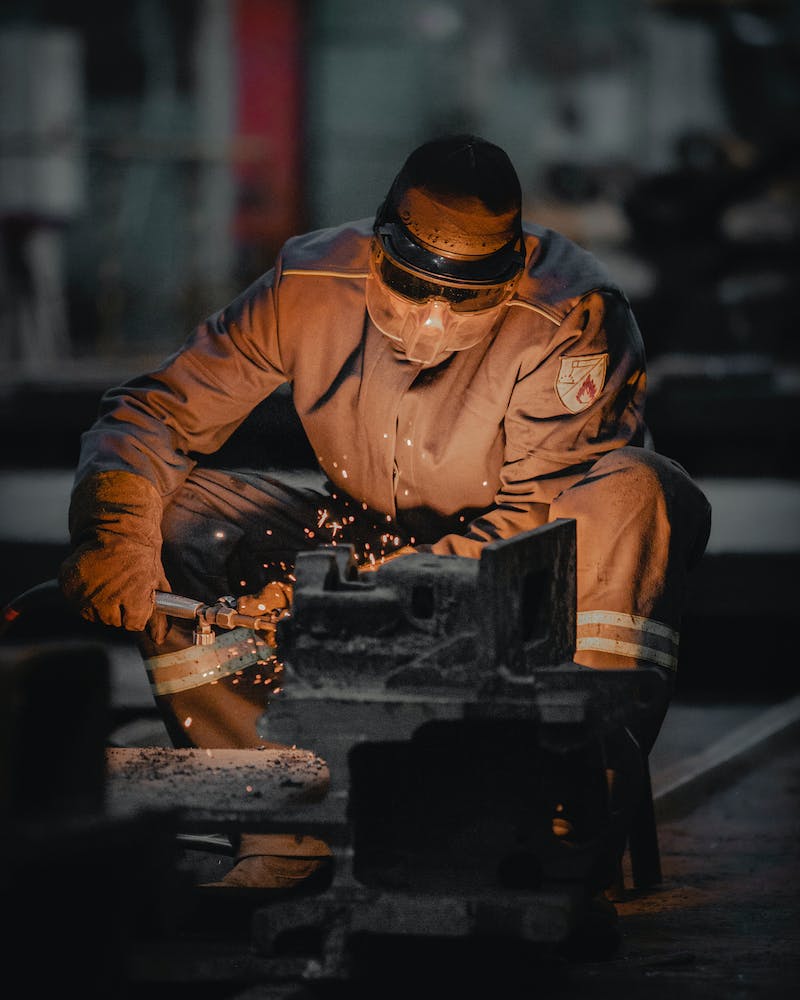
To ensure a safe working environment, companies in the custom rubber industry must prioritize safety at every stage of operations. This includes implementing comprehensive safety policies, providing necessary training and personal protective equipment (PPE), conducting regular equipment maintenance, and fostering a culture of safety awareness among the workforce. The “No Safety, No Party” ethos serves as a reminder of the high stakes involved in neglecting safety precautions in this industry.
One of the key areas where safety is paramount in the custom rubber industry is the handling of raw materials and chemical compounds. Many rubber manufacturing processes involve the use of hazardous materials such as solvents, adhesives, and curing agents. Without proper safety measures in place, workers are at risk of exposure to toxic substances that can lead to acute or chronic health problems. Therefore, strict adherence to safety protocols and the use of specialized protective gear are imperative to mitigate these risks.
Machine safety is another critical aspect within the custom rubber industry. The machinery used in rubber manufacturing processes often involves heavy mechanical components, high-speed moving parts, and hydraulic systems. Improper use or maintenance of these machines can result in accidents such as crushing, entanglement, or amputation. By following strict safety protocols, including regular equipment inspections, lockout/tagout procedures, and providing adequate machine guarding, the risk of such accidents can be significantly minimized.
Moreover, the custom rubber industry frequently operates under high-pressure and high-temperature conditions. The molding, curing, and vulcanization processes involved in rubber manufacturing require specialized equipment that operates at extreme temperatures and pressure levels. Any deviation from the prescribed operating parameters can result in catastrophic consequences, including equipment failure, fires, or explosions. To prevent such incidents, comprehensive safety training, clear operating procedures, and regular equipment maintenance are indispensable.
In addition to workplace hazards, ergonomic considerations are also essential in the custom rubber industry. Workers in this field often perform repetitive tasks and may be exposed to prolonged standing, lifting heavy objects, and working in awkward positions. Failure to address ergonomic concerns can lead to musculoskeletal disorders and chronic physical injuries. Implementing ergonomics principles, providing adjustable workstations, and conducting regular ergonomic assessments can help mitigate these risks and promote a healthier work environment.
The “No Safety, No Party” mindset extends beyond the factory floor to include transportation and handling of finished rubber products. Proper loading and securing of rubber products for transportation are crucial to prevent accidents and ensure the safe delivery of goods. Effective safety measures should be applied to all stages of the supply chain, including storage, transportation, and distribution, to safeguard against potential hazards.
Aside from the direct impact on worker safety, neglecting safety precautions in the custom rubber industry can result in significant financial and reputational repercussions for companies. Workplace accidents can lead to production delays, increased insurance costs, legal liabilities, and damage to the company’s reputation. The “No Safety, No Party” philosophy underscores the reality that without a strong commitment to safety, the long-term success and sustainability of a company in the custom rubber industry could be jeopardized.
In conclusion, the custom rubber industry presents unique challenges and hazards that necessitate unwavering commitment to safety. The mantra “No Safety, No Party” serves as a powerful reminder that safety is not just a legal obligation but a fundamental prerequisite for a productive and sustainable workplace. By prioritizing safety at every level of operations, from raw material handling to finished product distribution, companies in the custom rubber industry can protect their workers, minimize operational risks, and uphold their reputation as responsible industry leaders. Adhering to this ethos ensures that every day in the custom rubber industry can be a safely productive “party” for everyone involved.