
Latest Articles
- Managing a Company Through the Philosophy of the Human Body: Synergy and Organic Functions in the Custom Rubber Workshop Industry

- Product Certification or Quality Evidence with Client and Third-Party Witness Testing: Which Takes Precedence for a Custom Rubber Spare Part Workshop?

- National Rubber Resilience and Material Innovation: The Heart of Modern Custom Rubber Component Reliability

- Happy Independence Day, Republic of Indonesia!
- Quality Gap Control: Precision Strategies and Risk Management in Customized Rubber Spare Part Manufacturing
Exploring the Critical Role of Rubber Parts in Enhancing BOP Safety in Oil and Gas Operations
Critical Role of Rubber Parts in Enhancing BOP : BOPs, or Blowout Preventers, stand as essential components in safeguarding oil and gas operations, acting as crucial safety devices designed to prevent blowouts. A blowout signifies the uncontrolled release of oil or gas from a well, representing a significant hazard that can result in environmental damage, financial losses, and potential harm to personnel. Given the high-risk nature of the oil and gas industry, ensuring the effectiveness and reliability of BOP systems is paramount.
One of the key elements that contribute to the operational integrity of BOPs is the presence of rubber parts within their construction. Rubber components within a BOP serve the critical function of creating seals and preventing leaks, consequently enhancing the safety and efficiency of the system during operations. These rubber parts are strategically integrated into various components of the BOP, playing a pivotal role in maintaining pressure control, containing hazardous fluids, and averting potential disasters.
The Significance of Rubber Parts in BOP Systems
Rubber parts ( example : double ram ) play a pivotal role in enhancing the effectiveness of BOP systems by creating secure seals that help in preventing the uncontrolled release of oil or gas. These rubber components are designed to withstand extreme pressure, temperatures, and corrosive environments commonly encountered in oil and gas operations. When properly installed and maintained, rubber seals in a BOP can effectively contain the pressure within the well and prevent fluid leaks that could lead to catastrophic events.

In a typical BOP system, various rubber parts are utilized, each serving a specific purpose in ensuring the overall safety and functionality of the device. Among the critical rubber components used in BOPs are the annular seal, ram seal, and rubber seals integrated into the packing element. These rubber parts contribute to the successful operation of the BOP by providing a reliable barrier against the escape of fluids and maintaining pressure control within the wellbore.
Exploring Key Rubber Parts in BOP Systems:
- Annular Seal: The annular seal is a fundamental rubber component located within the BOP that serves to create a barrier between the wellbore and the BOP structure. This seal is instrumental in containing pressure within the well and preventing the escape of fluids that could lead to a blowout. The annular seal is engineered to withstand high pressures and maintain its integrity under challenging operating conditions, ensuring the overall safety of the BOP system.
- Ram Seal: Another essential rubber part in a BOP system is the ram seal, designed to provide a tight seal around the pipe or casing in the wellbore. Ram seals are critical in isolating specific sections of the well during emergency situations and controlling the flow of fluids to prevent blowouts. The reliable performance of ram seals is essential for the successful operation of the BOP and the containment of hazardous substances within the well.
- Rubber Seals in the Packing Element: Rubber seals integrated into the packing element of a BOP play a crucial role in maintaining pressure control and preventing leaks in the system. These seals provide a secure barrier between moving parts within the BOP, ensuring that the device functions effectively during operations. The integrity of rubber seals in the packing element is essential for preventing fluid migration and maintaining the operational safety of the BOP.
Ensuring Safety and Reliability in Oil and Gas Operations
In the oil and gas industry, where operational risks are inherent, maintaining the safety and reliability of equipment such as BOPs is paramount. The utilization of high-quality rubber parts within BOP systems significantly enhances their ability to prevent blowouts and mitigate potential hazards. Regular maintenance, inspection, and replacement of rubber components are essential practices to ensure the continued effectiveness of BOPs in safeguarding oil and gas operations.
By acknowledging the critical role of rubber parts in enhancing BOP safety, oil and gas companies can prioritize the maintenance and upkeep of these essential components to mitigate risks and ensure operational integrity. Investing in quality rubber seals and components, along with robust maintenance protocols, can contribute to the overall safety, efficiency, and environmental stewardship of oil and gas operations.
The integration of rubber parts in BOP systems serves as a cornerstone for enhancing safety and reliability in oil and gas operations. These essential components play a pivotal role in creating seals, preventing leaks, and maintaining pressure control within BOPs, ultimately contributing to the prevention of blowouts and the protection of personnel, assets, and the environment. Recognizing the criticality of rubber parts in BOP functionality underscores the importance of proactive maintenance and adherence to best practices in ensuring the continued safety and efficiency of oil and gas operations.
In the realm of oil and gas operations, where the stakes are high and safety is paramount, the function of Blowout Preventers (BOPs) stands as a critical safeguard against potential disaster. These complex systems rely on a multitude of components working in unison to ensure operational integrity and prevent blowouts. Within the intricate web of BOP components, rubber parts play a pivotal role in maintaining seals and preventing leaks, contributing significantly to the safety and efficiency of the system.
However, despite the meticulous engineering and precision design of BOPs, unforeseen challenges or malfunctions may arise, necessitating swift and effective solutions. In such instances, a direct site visit emerges as a crucial strategy in diagnosing and resolving BOP problems, underscoring the indispensable nature of hands-on intervention in ensuring the continued safety and functionality of oil and gas operations.
The Role of Direct Site Visits in Addressing BOP Issues
While routine maintenance and inspections are essential components of BOP upkeep, certain issues may require on-site evaluation and intervention to diagnose and rectify effectively. Direct site visits offer a firsthand perspective of the operational environment, allowing engineers and technicians to assess the condition of BOP systems in situ and identify potential issues that may not be evident through remote monitoring or diagnostic methods.
- Identifying Root Causes: Direct site visits enable experts to examine BOP systems within the context of their operational surroundings, facilitating the identification of root causes behind malfunctions or inefficiencies. By observing the physical condition of rubber parts, seals, and other critical components in real-time, technicians can pinpoint the underlying factors contributing to BOP problems and develop targeted solutions to address them.
- Hands-On Inspection and Testing: On-site visits provide the opportunity for hands-on inspection and testing of BOP components, allowing engineers to assess the integrity of rubber parts, seals, and associated mechanisms directly. Through tactile examination and functional testing, technicians can evaluate the performance of critical components, verify seal integrity, and determine the presence of wear or damage that may be affecting BOP functionality.
- Tailored Solutions and Repairs: With direct access to the BOP system on-site, technicians can develop tailored solutions and implement targeted repairs to address identified issues effectively. Whether replacing worn rubber seals, reconfiguring component alignment, or adjusting operational parameters, on-site interventions enable technicians to enact precise repairs that restore BOP functionality and mitigate potential safety risks.
Enhancing Safety and Reliability Through Direct Site Visits
The proactive engagement of direct site visits in response to BOP issues serves as a proactive approach to maintaining safety and reliability in oil and gas operations. By leveraging the insights garnered from on-site evaluations, operators can enhance the effectiveness of maintenance practices, optimize BOP performance, and mitigate the potential for critical failures that could compromise operational integrity.
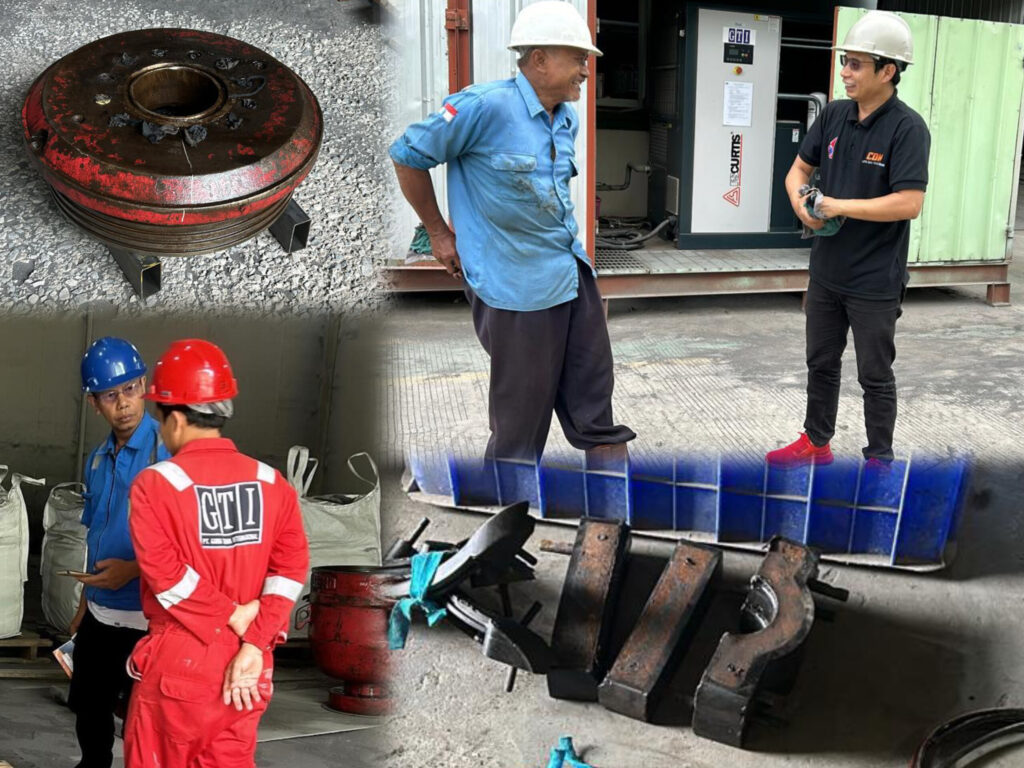
Furthermore, direct site visits not only facilitate the resolution of immediate BOP issues but also contribute to the development of preventative maintenance strategies that aim to preemptively address potential concerns before they escalate. By fostering a comprehensive understanding of BOP systems through on-site assessments, operators can implement proactive maintenance initiatives that sustain the long-term safety and functionality of critical equipment.
Embracing a Holistic Approach to BOP Maintenance and Troubleshooting
In the context of BOP safety and reliability, the synergy between rigorous maintenance protocols and proactive on-site interventions reflects a holistic approach to ensuring operational integrity. While regular inspections and remote monitoring play essential roles in proactive maintenance, direct site visits offer a nuanced perspective that supports targeted troubleshooting and timely resolutions to emergent BOP issues.
By acknowledging the indispensable nature of direct site visits in addressing BOP problems, oil and gas operators can reinforce their commitment to safety, environmental stewardship, and operational excellence. Integrating on-site assessments as a fundamental component of BOP maintenance strategies underscores a dedication to precision, thoroughness, and proactive risk mitigation, safeguarding personnel, assets, and the environment from potential hazards.
Conclusion
The convergence of rubber parts and direct site visits in the realm of BOP safety and reliability exemplifies a multifaceted approach to mitigating risks, ensuring operational integrity, and safeguarding oil and gas operations. The critical role of rubber components in maintaining seals and preventing leaks within BOP systems intertwines with the indispensable nature of on-site evaluations in diagnosing and resolving emergent issues, highlighting the interconnectedness of proactive maintenance strategies in sustaining safety and efficiency in the industry. By embracing a holistic approach that leverages the strengths of both rubber components and direct site visits, operators can fortify their commitment to excellence, resilience, and continuous improvement in oil and gas operations.