
Latest Articles
- Managing a Company Through the Philosophy of the Human Body: Synergy and Organic Functions in the Custom Rubber Workshop Industry

- Product Certification or Quality Evidence with Client and Third-Party Witness Testing: Which Takes Precedence for a Custom Rubber Spare Part Workshop?
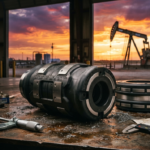
- National Rubber Resilience and Material Innovation: The Heart of Modern Custom Rubber Component Reliability

- Happy Independence Day, Republic of Indonesia!
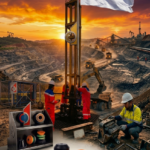
- Quality Gap Control: Precision Strategies and Risk Management in Customized Rubber Spare Part Manufacturing
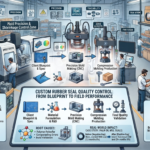
Downstream Industry
The downstream industry refers to the various industries that are involved in the processing and distribution of products derived from raw materials. It is the stage of the production process that occurs after the initial extraction and processing of raw materials.
The downstream industry is responsible for transforming raw materials into finished products that are ready for consumption or further use. This industry adds value to the raw materials through various processes such as refining, manufacturing, assembly, and packaging. It encompasses a wide range of sectors including manufacturing, construction, energy, chemicals, pharmaceuticals, food processing, and more.

One key characteristic of the downstream industry is its interconnectedness with the upstream industry. The upstream industry involves the extraction and production of raw materials, while the downstream industry focuses on the processing and distribution of these raw materials. The two industries are often dependent on each other, as the downstream industry relies on a steady supply of raw materials from the upstream industry.
The downstream industry plays a crucial role in driving economic growth and creating employment opportunities. It adds value to raw materials, thereby increasing their market worth. The processed products are then distributed to various markets or used as inputs for other industries, contributing to overall economic development.
The downstream industry also offers a wide range of products and services to meet the diverse needs of consumers. These can include consumer goods, industrial equipment, chemicals, energy sources, and more. This industry caters to both domestic and international markets, resulting in trade and export opportunities.
Moreover, the downstream industry is often characterized by a high level of innovation and technological advancements. Companies continually strive to improve manufacturing processes, develop new products, and optimize distribution networks. This drive for innovation leads to increased efficiency, cost-effectiveness, and improved product quality.
In conclusion, the downstream industry plays a vital role in the transformation of raw materials into finished products. It adds value, creates employment, drives economic growth, and fosters innovation. Its interconnectedness with the upstream industry highlights the importance of a well-functioning supply chain.