
Latest Articles
- Managing a Company Through the Philosophy of the Human Body: Synergy and Organic Functions in the Custom Rubber Workshop Industry

- Product Certification or Quality Evidence with Client and Third-Party Witness Testing: Which Takes Precedence for a Custom Rubber Spare Part Workshop?

- National Rubber Resilience and Material Innovation: The Heart of Modern Custom Rubber Component Reliability

- Happy Independence Day, Republic of Indonesia!

- Quality Gap Control: Precision Strategies and Risk Management in Customized Rubber Spare Part Manufacturing
The Crucial Role of Quality Control and Audits in Achieving Excellence in the Custom Rubber Industry
Introduction
The custom rubber industry plays a vital role in various sectors, including automotive, aerospace, medical, construction, and manufacturing. Custom rubber products, such as seals, gaskets, O-rings, and other specialized components, must meet stringent technical specifications to ensure reliability, safety, and performance. In this context, quality control (QC) serves as the backbone to guarantee that every product meets established quality standards. However, to ensure the effectiveness of QC, audits—both internal by the company’s team and external by clients or third parties such as certification bodies (e.g., ISO or SGS)—are essential. This article explores the importance of QC, the roles of internal and external audits, and the challenges and solutions in implementing them in the custom rubber industry.
What Is Quality Control in the Custom Rubber Industry?
Quality control is a systematic process to ensure that products or services meet specific quality standards before reaching customers. In the custom rubber industry, QC involves inspecting raw materials, monitoring production processes, and testing finished products. Custom rubber products often have very low tolerances for defects due to their use in critical applications, such as seals in automotive engines or medical components that must be sterile and resistant to chemicals.
QC in this industry encompasses several key stages:
- Raw Material Inspection (Incoming Quality Control): Ensuring that raw materials, such as natural rubber, synthetic rubber (e.g., EPDM, nitrile, silicone), and chemical additives, meet specified requirements. For example, tests for hardness, tensile strength, and chemical resistance are conducted to verify material quality.
- Production Process Monitoring (In-Process Control): Overseeing production parameters like temperature, pressure, and vulcanization time to ensure consistency. For instance, in the molding process, temperature deviations can cause defects like pores in the product.
- Finished Product Testing (Post-Production Control): Conducting physical, chemical, and dimensional tests on final products, such as leak tests, abrasion resistance tests, or compatibility tests with the application environment.
QC aims not only to detect defects but also to prevent them through strict standard operating procedures (SOPs). Effective QC reduces the risk of defective products, enhances customer satisfaction, and maintains brand reputation.
Why Is Quality Control Important in the Custom Rubber Industry?
The custom rubber industry has unique characteristics that make QC an integral part of its operations. Here are the key reasons why QC is essential in this industry:
- Ensuring Product Reliability
Custom rubber products are often used in highly critical applications. For example, an O-ring in an aircraft engine must withstand extreme pressure and temperature. Even the smallest defect can lead to system failure, potentially causing significant losses or endangering safety. QC ensures that every product meets technical standards, such as ASTM D2000 for automotive rubber components. - Meeting Industry Regulations and Standards
The custom rubber industry is subject to stringent national and international regulations, such as ISO 9001, ISO/TS 16949 for automotive, or FDA standards for medical products. QC ensures compliance with these standards, enabling products to be marketed globally without regulatory barriers. - Reducing Costs and Losses
Defective products reaching customers can result in returns, repair costs, or even legal claims. QC helps detect issues early, saving costs associated with rework and improving operational efficiency. - Enhancing Customer Satisfaction
Consistent product quality builds customer trust. In the custom rubber industry, where clients often order products with specific requirements, QC ensures that every batch meets customer expectations, fostering loyalty and strengthening the company’s reputation. - Supporting Competitiveness
In a competitive market, quality is a key differentiator. Companies known for producing high-quality custom rubber products are more likely to secure large contracts, particularly from industries like automotive or aerospace.
The Role of Audits in Quality Control
While QC is the core process for maintaining quality, its effectiveness must be validated through audits. Internal and external audits play complementary roles to ensure that the QC system operates effectively and aligns with established standards.
1. Internal Audits
Internal audits are conducted by the company’s team to evaluate QC processes, compliance with SOPs, and the effectiveness of the quality management system. In the custom rubber industry, internal audits typically include:
- Production Process Review: Ensuring that parameters like vulcanization time, mold temperature, and machine pressure meet standards. For example, audits can detect whether compression molding machines are properly calibrated.
- Documentation Evaluation: Checking records of raw material testing, inspection reports, and compliance certificates to ensure traceability.
- Employee Training Assessment: Evaluating whether QC staff have the necessary skills and knowledge to perform their duties.
- Quality Data Analysis: Using tools like control charts or Pareto analysis to identify defect trends and areas for improvement.
Internal audits help companies identify weaknesses before they escalate into major issues. For instance, if an audit reveals that raw materials from a specific supplier frequently fail chemical resistance tests, the company can take corrective action, such as switching suppliers or adjusting specifications.
2. External Audits
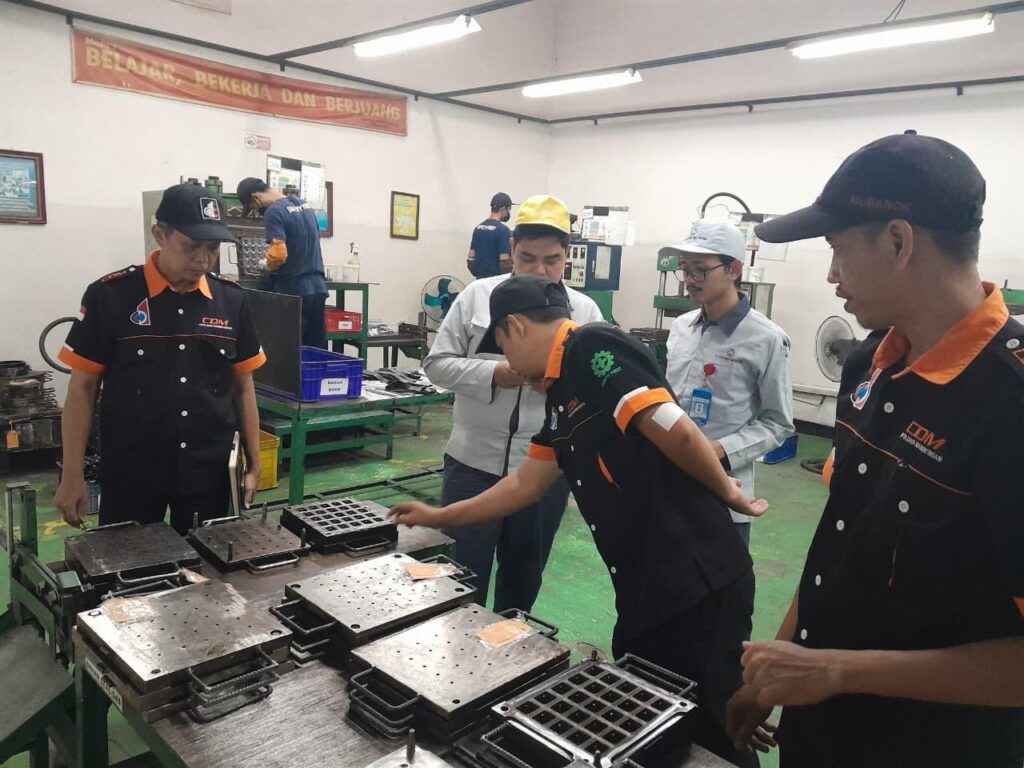
External audits are conducted by third parties, such as clients, certification bodies (e.g., SGS, Bureau Veritas, or TUV), or regulators like the Food and Drug Administration (FDA) for medical rubber products. External audits serve several key purposes:
- Objective Validation: Independent third parties provide an unbiased assessment of the company’s QC system, ensuring no internal bias.
- Compliance with International Standards: Organizations like ISO require external audits to maintain certifications, such as ISO 9001 or ISO 13485 for medical devices.
- Client Confidence: Major clients, particularly in automotive or aerospace, often conduct audits to ensure suppliers meet contract specifications. For example, companies like Toyota or Boeing may send audit teams to inspect gasket production processes.
- Risk Identification: External audits can uncover risks missed by internal audits, such as non-compliance with export regulations or safety standards.
For instance, in the custom rubber industry for medical applications, external audits by the FDA or similar regulatory bodies ensure that products like rubber tubing or medical device seals are free from contamination and meet biocompatibility standards.
Challenges in Implementing Quality Control and Audits in the Custom Rubber Industry
While QC and audits are critical, their implementation in the custom rubber industry is not always straightforward. Here are some common challenges:
- Fluctuations in Raw Material Quality
Both natural and synthetic rubber can vary in quality depending on the supplier or environmental conditions. For example, natural rubber may be affected by climate or processing methods, impacting its mechanical properties. QC must detect these fluctuations, but this requires advanced testing equipment and skilled personnel. - Complexity of Custom Products
Custom rubber products are often designed for specific applications with tight tolerances. For instance, a hydraulic pump seal must have precise dimensions down to micrometers. This increases testing complexity and requires specialized tools like stroboscopes for real-time visual inspection. - Lack of Management Commitment
Without full management support, resource allocation for QC and audits is often limited. This can hinder investments in technology or employee training. - Implementation Costs
Implementing a comprehensive QC system and undergoing external audits requires significant investment in equipment, software (e.g., ERP), and labor. For small companies, these costs can be a substantial burden. - Changing Regulations
Industry regulations, especially for medical or food-grade products, frequently change. Companies must continuously update QC procedures and adapt to new standards, requiring flexibility and additional resources.
Solutions to Enhance Quality Control and Audits
To address these challenges, companies in the custom rubber industry can adopt the following strategies:
- Adoption of Digital Technology
Technologies like Enterprise Resource Planning (ERP) and analytical software can integrate QC data across production stages, enabling real-time analysis and anomaly detection. For example, ERP can track raw material quality from suppliers to finished products, improving efficiency and accuracy. - Regular Employee Training
Training QC staff to use advanced testing equipment and stay updated on industry standards is critical. Training should also include data analysis skills to detect defect trends and perform root cause analysis. - Process Standardization
Implementing methods like Six Sigma or Failure Mode and Effects Analysis (FMEA) can reduce production variability and prevent failures. For instance, FMEA can identify potential cracks in rubber components during welding processes. - Collaboration with Third Parties
Partnering with reputable certification bodies like SGS or TUV for external audits can enhance company credibility. Involving clients in the audit process can also build trust and ensure products meet their specifications. - Effective Supply Chain Management
To address raw material quality fluctuations, companies can establish long-term relationships with reliable suppliers and implement rigorous testing for every material shipment.
Example of Quality Control and Audit Implementation in the Custom Rubber Industry
As an illustration, consider a custom rubber company producing seals for the automotive industry. The company implements QC in three stages:
- Pre-Production: Testing raw materials like nitrile rubber for resistance to oil and high temperatures using tools like tensile testers.
- In-Process: Monitoring the vulcanization process with a stroboscope to ensure no visual defects occur during molding.
- Post-Production: Conducting pressure and leak tests to verify that seals meet ISO/TS 16949 standards.
The company also conducts quarterly internal audits to ensure SOP compliance and annual external audits by SGS to maintain ISO 9001 certification. Additionally, automotive clients like Honda perform on-site audits to verify that seals meet contract specifications. As a result, the company reduced its product defect rate from 5% to 1% over two years, improving customer satisfaction and securing new contracts with major automakers.
Conclusion
Quality control is a cornerstone of the custom rubber industry, ensuring product reliability, regulatory compliance, and customer satisfaction. However, QC’s effectiveness depends on regular internal and external audits. Internal audits help companies identify process weaknesses, while external audits by clients or third parties like SGS provide objective validation and enhance market trust. Despite challenges like costs, product complexity, and raw material fluctuations, solutions such as technology adoption, employee training, and process standardization can overcome them. With robust QC and audits, custom rubber companies can maintain competitiveness, reduce risks, and build a reputation as suppliers of high-quality products.