
Latest Articles
- Managing a Company Through the Philosophy of the Human Body: Synergy and Organic Functions in the Custom Rubber Workshop Industry

- Product Certification or Quality Evidence with Client and Third-Party Witness Testing: Which Takes Precedence for a Custom Rubber Spare Part Workshop?

- National Rubber Resilience and Material Innovation: The Heart of Modern Custom Rubber Component Reliability

- Happy Independence Day, Republic of Indonesia!

- Quality Gap Control: Precision Strategies and Risk Management in Customized Rubber Spare Part Manufacturing
Streamlining Operations: The Impact of Asset Maintenance on Efficiency and Profitability in the Custom Rubber Industry
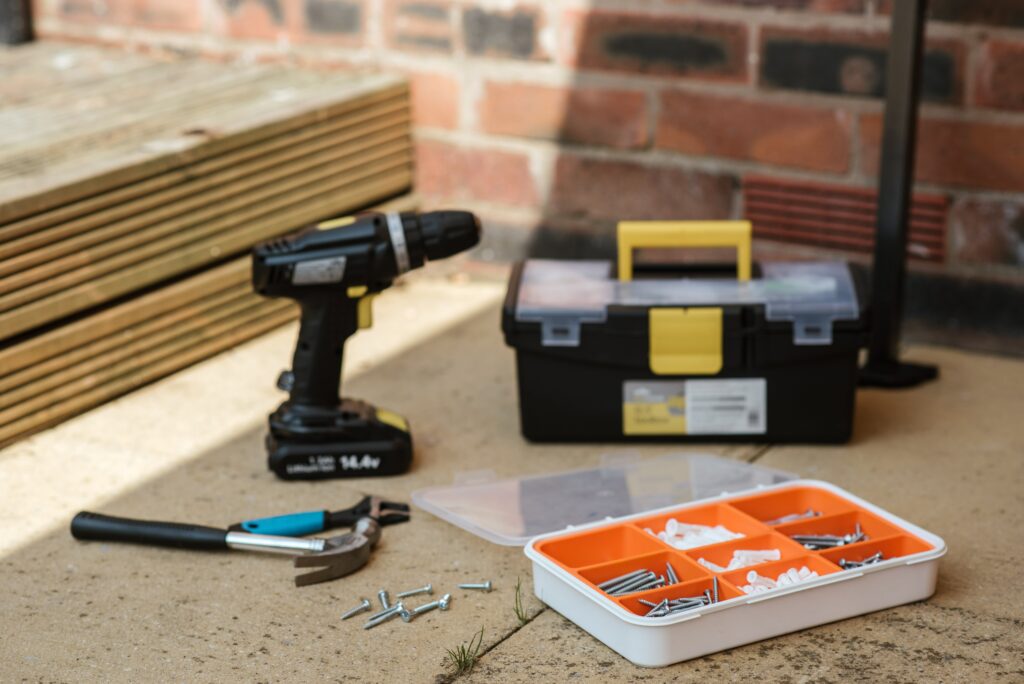
Asset maintenance refers to the process of ensuring that physical assets, such as machinery, equipment, and facilities, are kept in optimal condition to support the smooth and efficient operation of a business. In the context of the custom rubber industry, asset maintenance plays a crucial role in ensuring that production processes run seamlessly, minimizing downtime, reducing operational costs, and maximizing the lifespan of critical assets.
In a small or medium enterprise (SME) operating in the custom rubber industry, asset maintenance works through systematic strategies aimed at preserving the functionality and reliability of machinery and equipment, thereby supporting production efficiency and overall business performance. The following approaches illustrate the significance of asset maintenance in the SME:
1. Preventive Maintenance: Implementing a proactive maintenance schedule is essential to prevent unexpected breakdowns and minimize downtime. This involves conducting routine inspections, lubrication, and minor repairs to identify and address potential issues before they escalate into costly problems.
2. Predictive Maintenance: Leveraging advanced technologies, such as sensors and monitoring systems, allows SMEs to predict equipment failures and plan maintenance activities proactively. By detecting issues early, predictive maintenance minimizes unplanned downtime and reduces the risk of production disruptions.
3. Planned Downtime: Coordinating maintenance activities during scheduled downtime periods ensures that critical assets receive the attention they need without significantly impacting production schedules. This strategic approach minimizes disruption while optimizing asset performance.
4. Training and Skills Development: Equipping employees with the necessary training and skills to perform routine maintenance tasks empowers the workforce to contribute to asset maintenance efforts effectively. Employees’ knowledge and involvement in maintenance processes contribute to a proactive and collaborative maintenance culture within the SME.
Benefits of Asset Maintenance for Management, Employees, and Customers
Management
– Cost Control: Effective asset maintenance reduces unplanned repair costs, minimizes production downtime, and extends the lifespan of machinery and equipment, contributing to cost savings.
– Improved Asset Performance: Proper maintenance ensures that assets operate at their optimum level, enhancing overall operational efficiency and supporting the achievement of production targets.
– Enhanced Compliance: Adhering to maintenance schedules and regulations ensures that the SME complies with industry standards, minimizing the risk of regulatory penalties and legal issues.
Employees
– Safety and Well-being: Well-maintained equipment and machinery create a safer working environment for employees, reducing the risk of workplace accidents and injuries.
– Skill Enhancement: Involvement in maintenance activities provides opportunities for employees to develop new skills, contributing to their professional growth and job satisfaction.
Customers
– Product Quality: Maintenance of assets contributes to consistent product quality, meeting customer expectations and fostering long-term satisfaction and loyalty.
– Reliability: By minimizing production disruptions, asset maintenance supports the timely delivery of custom rubber products, enhancing customer trust and confidence in the SME’s capabilities.
Boosting Profitability and Efficiency through Asset Maintenance
1. Cost Savings: Efficient asset maintenance reduces repair costs, minimizes downtime, and prolongs the lifespan of machinery and equipment, resulting in direct cost savings for the SME.
2. Enhanced Productivity: By minimizing disruptions and optimizing asset performance, proper maintenance contributes to increased productivity, enabling the SME to meet production targets and fulfill customer orders efficiently.
3. Competitive Advantage: Maintaining reliable and efficient production processes through asset maintenance allows the SME to differentiate itself in the market, offering consistent quality products and reliable delivery schedules.
4. Long-Term Sustainability: Proactive asset maintenance extends the lifespan of critical assets, reducing the need for frequent replacements and contributing to the SME’s environmental sustainability efforts.
Effective asset maintenance is integral to the success of SMEs in the custom rubber industry, contributing to operational efficiency, cost savings, and customer satisfaction. By prioritizing preventive and predictive maintenance strategies, SMEs can create a competitive advantage, boost productivity, and enhance long-term sustainability. Embracing a proactive approach to asset maintenance empowers SMEs to streamline operations, optimize resource utilization, and ultimately drive profitability and growth in the dynamic custom rubber industry.