
Latest Articles
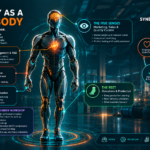
- Managing a Company Through the Philosophy of the Human Body: Synergy and Organic Functions in the Custom Rubber Workshop Industry
- Product Certification or Quality Evidence with Client and Third-Party Witness Testing: Which Takes Precedence for a Custom Rubber Spare Part Workshop?
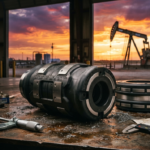
- National Rubber Resilience and Material Innovation: The Heart of Modern Custom Rubber Component Reliability

- Happy Independence Day, Republic of Indonesia!
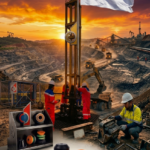
- Quality Gap Control: Precision Strategies and Risk Management in Customized Rubber Spare Part Manufacturing
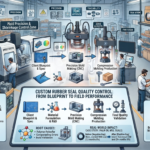
Value Added
Value added refers to the increase in the value of a product as a result of processing or enhancing it in some way. It is the difference between the final selling price of the product and the cost of the inputs used in its production. In simpler terms, value added is the amount of value that is added to a product at each stage of its production process.
There are several processes involved in obtaining value added:
1. Processing: This involves transforming raw materials into finished or semi-finished products. For example, manufacturing, refining, or packaging goods. Processing adds value by increasing the utility or functionality of the product.
2. Design and Innovation: Developing new and improved products or incorporating innovative features into existing products can significantly increase their value. This can involve research and development, design improvements, or the creation of unique product variations to cater to different market segments.
3. Customization: Tailoring the product to meet specific customer needs or preferences can add value. Customization may involve personalization, offering additional services, or modifying the product to fit the customer’s requirements.
4. Quality Enhancement: Improving the quality of a product can add value, as customers are willing to pay more for higher-quality goods. This can be achieved through stringent quality control measures, certifications, or the use of premium materials.
5. Branding and Marketing: Creating and promoting a strong brand image can significantly increase the perceived value of a product. Effective marketing strategies, such as advertising, packaging, and product positioning, can differentiate the product, attract customers, and justify higher prices.
6. Distribution and Logistics: Efficient and well-managed distribution and logistics processes can enhance the value of a product by ensuring timely delivery, reducing lead time, and improving customer satisfaction.
7. After-sales Support: Providing excellent customer support, warranty, or maintenance services can add value to the product, increase customer loyalty, and differentiate it from competitors.
8. Sustainability and Ethical Practices: Incorporating sustainable and ethical practices throughout the production process can enhance the value of a product. This includes adopting environmentally friendly processes, using sustainable materials, practicing fair trade, or supporting local communities.
To obtain value added, businesses need to focus on optimizing these processes and continuously improving their products and services. By doing so, they can command higher prices, attract a loyal customer base, and increase profitability in the market.